Golf: A Cool, Useful & Unique Decorative Font for Modern Projects
Finding a typeface that manages to be both visually striking and genuinely useful can feel like a rare discovery. Many decorative fonts are beautiful but impractical, sacrificing readability for flair. Others are workhorses, but lack the personality needed to make a project truly stand out. Golf, a premium font, occupies that compelling middle ground. It’s a creative font with a distinct character—cool, versatile, and surprisingly adaptable. This isn't just another ornamental typeface; it's a design asset built for creators who want their work to have immediate impact and lasting appeal.
The Visual Personality of Golf: More Than Just a Pretty Face
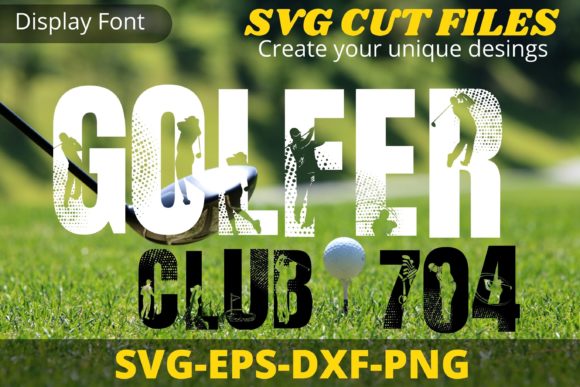
At first glance, Golf presents a confident, modern aesthetic. It’s not a strict serif font or a traditional sans serif font. Instead, it leans into a stylized, semi-geometric form with subtle, deliberate quirks. The letterforms have a consistent weight and a balanced rhythm, giving text set in Golf a clean, cohesive look. What sets it apart are the thoughtful details—perhaps a softened terminal here, a uniquely angled stroke there—that inject personality without overwhelming the eye. This makes Golf a superb display font. It commands attention in headlines, logos, and hero text, where its character can shine. Yet, its clarity ensures it remains legible at smaller sizes in controlled environments, like captions or pull quotes.
The overall vibe is contemporary and approachable, with a hint of playful sophistication. It avoids the coldness of some ultra-modern typefaces and the overwrought nature of many handwritten fonts or script fonts. This balance is key to its utility. Golf feels fresh and current, making it ideal for projects targeting an audience that appreciates design-forward thinking—think boutique brands, lifestyle blogs, or innovative startups. It’s a typeface that communicates effort and taste, instantly elevating the perceived quality of any brand identity or marketing material it touches.
Where Golf Excels: From Digital Screens to Printed Pages
The true test of any commercial font is its performance across different contexts. Golf’s strength lies in its chameleon-like ability to adapt while retaining its core identity. In logo design, it provides a strong foundation. A wordmark set in Golf is memorable and professional, offering enough distinction to stand alone or pair seamlessly with a secondary typeface for body copy. For branding projects, it helps establish a consistent visual voice across business cards, letterheads, and digital platforms.
For editorial design and publishing, Golf is a powerful tool for creating hierarchy and visual interest. Use it for chapter titles, magazine covers, or blog post headers to draw readers in. Its clarity makes it suitable for pull quotes or short descriptive text in layouts. In the realm of packaging design, it can convey a brand’s ethos—whether that’s artisanal, tech-savvy, or eco-conscious—with just a few words. The font’s personality helps tell a product’s story before a customer even reads the full description.
Digital applications are where Golf truly proves its modern typography credentials. For web design, it’s an excellent choice for headings, buttons, and navigation elements that need to be both stylish and functional. Its structure ensures it renders crisply across devices. Social media graphics benefit immensely from its presence; a quote card, announcement, or promotional post set in Golf will stop the scroll and communicate key messages with clarity and flair. It’s equally effective for digital ads, email headers, and online course materials.
Beyond commercial and digital use, Golf is a fantastic resource for personal and craft projects. Its unique style makes it perfect for creating standout invitations, greeting cards, and planners. Crafters and hobbyists can use it to design custom photo album titles, wall art, or decorative elements for scrapbooking. The font adds a professional, polished touch to DIY projects, making homemade creations feel like bespoke items.
Practical Guidance: Making the Most of This Creative Font
Integrating a new typeface into your workflow requires thoughtful consideration. When evaluating Golf for a project, start with your core message and audience. Is the goal to appear innovative, friendly, trustworthy, or luxurious? Golf’s personality generally skews toward the innovative and friendly end of the spectrum. It’s less suited for ultra-formal, traditional contexts like legal documents or classic luxury brands that rely on heritage serifs.
One of the most important steps is testing font pairing. Because Golf has a strong character, it often works best when paired with a simpler, more neutral companion. A clean sans serif font like Inter or Lato for body text can create a beautiful, readable contrast. Alternatively, pairing it with a subtle, understated serif can yield a sophisticated, editorial feel. Always test your pairings in context—view them at the sizes they’ll be used, on the intended backgrounds, and in the final layout. Check how they interact in terms of weight, spacing, and overall color on the page.
Review the specific styles and weights included with the Golf font family. Does it offer italics, bolds, or condensed versions? Having multiple weights (like Light, Regular, and Bold) gives you more tools to create visual hierarchy and manage readability within a single project. For instance, you might use Golf Bold for main headlines and Golf Regular for subheadings to maintain consistency while differentiating importance.
Readability is paramount. While Golf is designed for clarity, always conduct a quick readability test. Set a paragraph of body text at the intended size and ask a few people to read it comfortably. Ensure the spacing (kerning and leading) is optically balanced. For longer blocks of text, it’s generally safer to use a highly legible serif or sans serif and reserve Golf for shorter, high-impact elements.
Finally, understand the licensing. As a premium font, Golf comes with specific terms for use. Verify that the license covers your intended applications—whether it’s for a single client project, multiple commercial products, or large-scale web embedding. Respecting the font creator’s license is crucial for professional and ethical use.
Incorporating Golf into your toolkit is about adding a versatile voice to your design repertoire. It’s a typeface that doesn’t just decorate; it communicates. By applying it thoughtfully to the right projects, you can enhance engagement, strengthen brand perception, and bring a cool, useful, and unique edge to everything you create. Experiment with it, pair it wisely, and watch how it transforms your designs from ordinary to memorable.