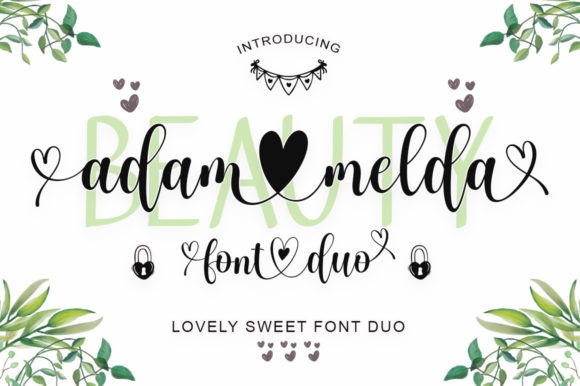
Adam Melda Lovely: A Font Pair for Chic, Cheerful Design
Finding a font that feels both polished and full of personality can be a challenge. You want something that looks professional but doesn’t take itself too seriously, something that can carry a brand’s voice with warmth and style. That’s the sweet spot where Adam Melda Lovely lives. It’s not just a single typeface but a thoughtfully designed pair—a script font and a complementary sans serif font—created to work in harmony. This pairing is your secret weapon for projects that need to feel approachable, elegant, and unmistakably crafted.
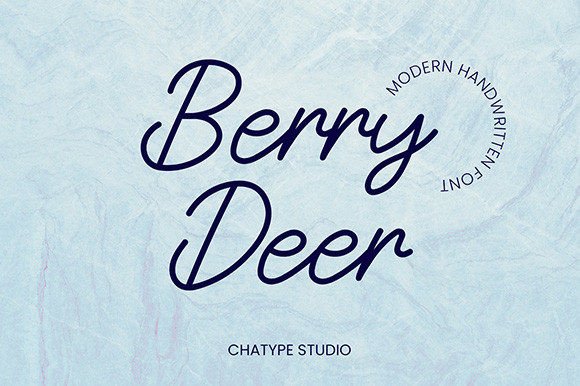
The visual character of Adam Melda Lovely is its greatest strength. The script component is a fluid, modern handwritten font with a natural, flowing rhythm. It avoids the overly formal look of traditional calligraphy scripts, instead offering a friendly, hand-lettered charm. The strokes are consistent and legible, making it far more versatile than many decorative scripts. Its companion is a clean, rounded sans serif font that provides perfect balance. It’s not stark or geometric; it has soft, slightly curved terminals that echo the script’s organic feel without mimicking it. Together, they create a visual conversation that’s both dynamic and cohesive, making Adam Melda Lovely a genuinely creative font system.
Where This Font Pair Truly Shines
The real-world applications for Adam Melda Lovely are vast, primarily because its design bridges the gap between personal touch and commercial appeal. For brand identity work, this pairing is a powerhouse. Imagine a boutique bakery’s logo: the script for the main name, conveying homemade quality, paired with the sans serif for the tagline, ensuring clarity. This combination instantly builds a brand perception that is both professional and warmly personal. It’s equally effective for packaging design, where shelf appeal is critical. The display font qualities of the script make product names pop, while the sans serif handles essential details like ingredients and instructions with readability.
For editorial design and publishing, Adam Melda Lovely brings life to layouts. Use the script for pull quotes, chapter titles, or magazine cover lines to draw the reader’s eye. The sans serif then takes over for body text, captions, and sidebars, maintaining a clean and comfortable reading experience. This establishes a clear visual hierarchy that guides the reader through the content intuitively. In the digital realm, this premium font translates beautifully to web design and social media graphics. It creates engaging headers for blogs, stylish menu designs for restaurant websites, and eye-catching text overlays for Instagram stories or Pinterest pins. Its personality helps content stand out in a crowded feed, boosting audience engagement.
Practical Guidance for Using Adam Melda Lovely
Choosing the right font is only half the battle; using it effectively is what makes a project successful. When evaluating if Adam Melda Lovely is the right typeface for your project, consider the audience and the message. It excels for brands and creators targeting an audience that values authenticity, craftsmanship, and a touch of whimsy—think lifestyle bloggers, wedding stationers, artisanal product makers, and boutique studios. It’s less suited for ultra-corporate or technical contexts where a more neutral, geometric sans serif font would be expected.
One of the standout features of this commercial font is its extensive character set. It is PUA encoded, which means every glyph, swash, and stylistic alternate is easily accessible. This is a practical game-changer. You can add elegant flourishes to a script letter, create custom ligatures, or select alternate characters to ensure your typography feels unique and hand-tailored. Before finalizing a design, take time to explore these alternates in your chosen software. Test different swashes on a logo or see if an alternate ‘a’ or ‘g’ improves the flow of a headline. This level of customization is what elevates a design from good to great.
When it comes to font pairing beyond its built-in partner, Adam Melda Lovely is quite flexible. The sans serif can hold its own with other serif font families for a more traditional look, while the script pairs well with a wide range of clean sans serifs if you need a different tone. Always test your pairings in context—create a mockup of your actual project, whether it’s a business card, a website hero section, or a product label. Check for scale and contrast. The script should typically be used for larger, shorter text elements due to its intricate details, while the sans serif handles the bulk of the information. Ensure there is enough size and weight difference between the two to maintain clear hierarchy and readability.
Finally, always be mindful of licensing. Since Adam Melda Lovely is a premium font, ensure your license covers your intended use, whether it’s for a single client project, unlimited commercial use, or for print-on-demand products. A legitimate license not only supports the font designers but also gives you peace of mind and professional credibility. By thoughtfully applying Adam Melda Lovely, you’re not just choosing a font; you’re adopting a versatile design asset that can consistently communicate charm, quality, and a distinctly human touch across all your creative endeavors.